Sahel Research Group
Center for African Studies & Department of Political Science
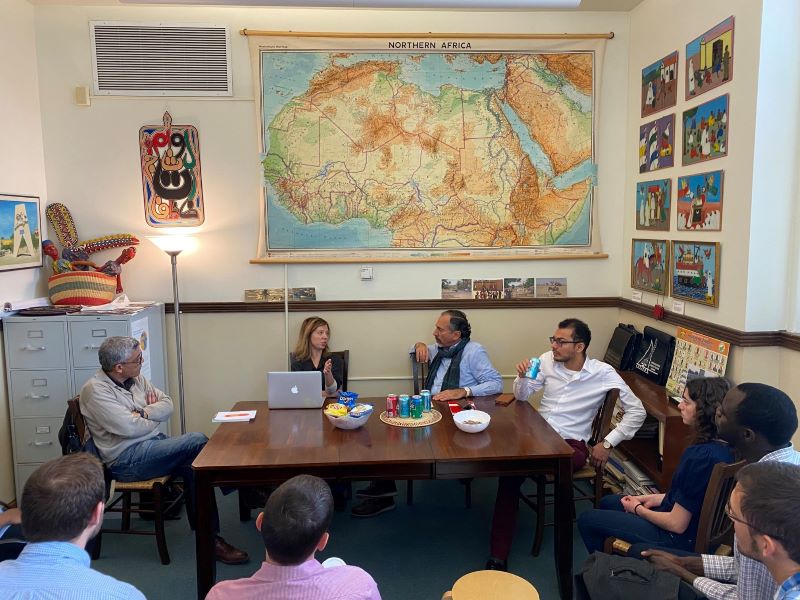 Our Weekly Sahel Seminar
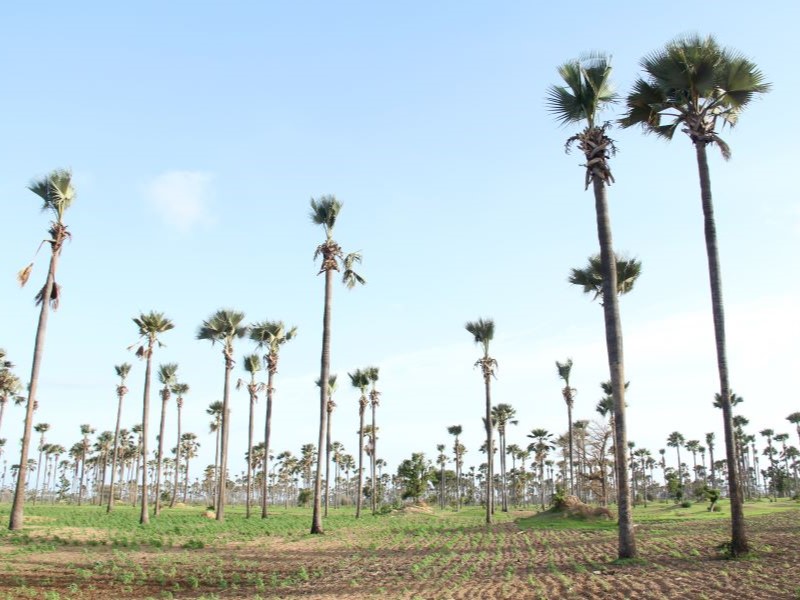
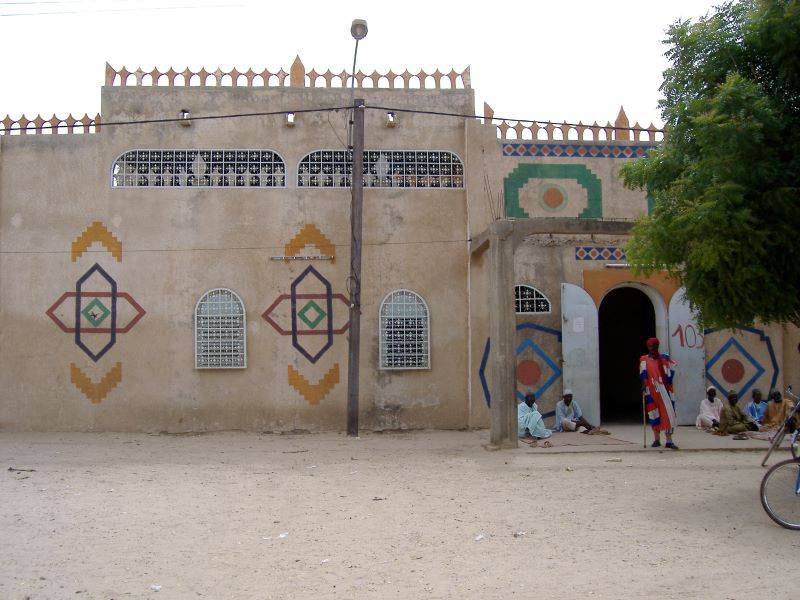
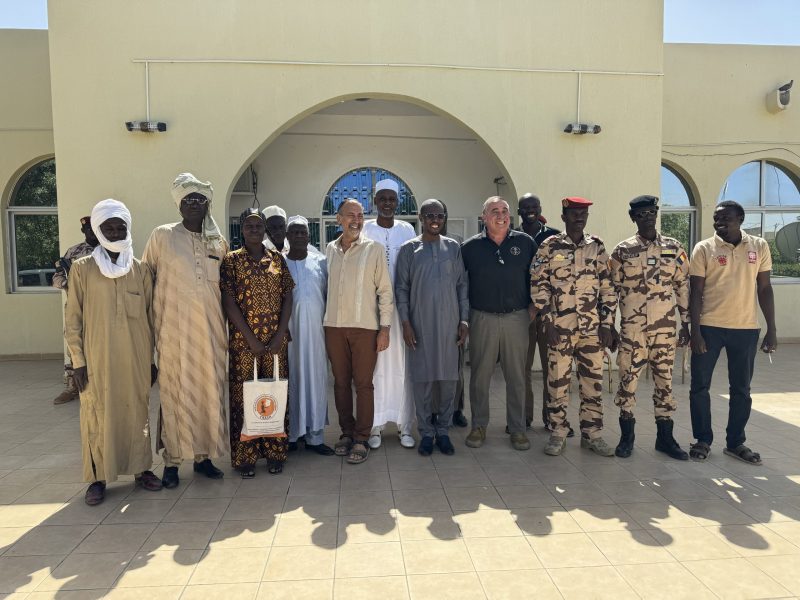
Welcome!
 The Sahel Research Group at the University of Florida is a collaborative effort to understand the political, social, economic and cultural dynamics of the countries of the West African Sahel. Our focus is primarily on the six Francophone countries of the region—Senegal, Mauritania, Mali, Burkina Faso, Niger and Chad. We are also interested in developments in neighboring countries, to the north and south, whose dynamics frequently intersect with those of the Sahel. The Sahel Research Group brings together faculty and graduate students from various disciplines at the University of Florida, in collaboration with colleagues from the region.
Follow us on Twitter, Facebook and Instagram or subscribe to our Weekly News Brief
Recent Research Group Activities
 SRG receives new OECD grant to study insecurity and urbanization in West Africa
The University of Florida Sahel Research Group has received a $311,000 grant from the Organisation for Economic Co-operation and Development (OECD) to study the impact of foreign interventions on transnational insurgencies in the Sahel-Sahara. Our team will also analyze contemporary urban transformations and contribute towards the Atlas on Cities in Africa published by the OECD. This project is led by Visiting Associate Professor Olivier J. Walther and Professor Leonardo A. Villalón and builds on a 2017 memorandum of understanding between the University of Florida and the OECD.
 Fiona Mc Laughlin receives NEH grant to work on vernacular literacies
Fiona Mc Laughlin has been awarded a fellowship from the National Endowment for the Humanities to work on her project, Trans-Saharan Literacies: Writing across the Desert. By showing these vernacular literacies to be robust everyday practices in many African societies, and by tracing their transmission and spread through pathways of Islamization, Islamic education, and pastoralist traditions, I strengthen the case for positing a trans-Saharan sphere of influence.
 Professor Leonardo Villalón was at NATO for an Open Perspectives Exchange Network Seminar
Leonardo Villalón made an invited presentation on “State fragility in the Sahel” at an Open Perspectives Exchange Network (OPEN) seminar on Migration from the Sahel, sponsored by NATO and held in Naples, Italy, on 3 December 2018.

Fiona Mc Laughlin with colleagues inside a Saharaoui tent at WOCAL 9
Fiona Mc Laughlin gave a talk entitled “The sociolinguistics of everyday ajami writing in Senegal” at the 9th World Congress of African Linguistics (WOCAL 9) at the Mohammed V University of Rabat, Morocco, on August 25, 2018.
For more news on our activities visit Sahel Research Group News.
